How to Tell If You Have Bed Bugs in Your Windsor Bedroom
If you believe you have bed bugs in your Windsor bedroom, the best way to know is to look for a clear series of bed bug signs: small bites on exposed skin, tiny blood stains on sheets, dark fecal spots, shed skins, and live bugs concealing themselves near your bed. Bed bugs are built to stay out of sight, so a detailed inspection matters more than speculating from one clue alone.
In Windsor, this issue can show up in apartments, duplexes, older houses, and multi-unit housing where bugs can move through shared walls, baseboards, and cluttered storage areas. If you live in a rental unit, it is especially important to document what you see and act quickly. Early control can prevent a small problem from becoming a larger infestation.
What are the earliest signs of bed bugs in a bedroom?
The initial clue many people notice is bed bug bites. These often appear as irritating, red bumps or itchy welts on bare areas such as arms, legs, neck, or shoulders after nighttime sleep. Bites alone do not verify bed bugs, but they are an key warning sign when paired with physical evidence in the room.
Another frequent clue is blood spots on sheets. These can appear as tiny rust-colored dots or smears when a bug is crushed after feeding. You may also notice fecal stains, which look like dark ink-like specks on mattress seams, linens, or nearby furniture. Because bed bugs leave behind residue from digestion, these marks are often one of the most reliable forms of visible evidence.
You may also find bed bug shells, which are the shed outer coverings left behind as the insects grow. These are usually pale, hollow, and papery. In active areas, the smell may become slightly musty or oily, sometimes described as an odour. If you see multiple signs together, especially in the same sleeping area, the odds of an infestation go up fast.
It helps to know the life cycle, too. Bed bugs pass through stages from eggs to nymphs and then adult bed bugs. The youngest stages are minute and hard to detect, but they still feed. Their ability to hide in narrow crevices makes early detection tricky, which is why a thorough bedroom check matters.
Where should Windsor homeowners and renters look for bed bugs?
Start with the places bed bugs prefer most: the mattress stitching, the spring box, the bedstead, and the bed head. Grab a flashlight and inspect slowly, especially along piping, folds, staples, and joints. Bed bugs usually cluster close to the sleeper, so the bed and surrounding furniture are the first spots to check.
Look along the edges of the mattress seams for black spotting, cast skins, or tiny pale eggs. Flip the mattress and check the box spring, including the underside and dust cover. Many bugs hide where fabric meets wood, or where the cover has a tear. The frame of the bed should be checked at screw holes, joints, slats, and any cracks in the wood or metal. The headboard is another common harbourage, especially if it sits tight against the wall.
Don’t stop at the bed. In Windsor bedrooms, especially in older homes and dense neighbourhoods with shared walls, bed bugs can hide in baseboards, wall voids, furniture seams, electrical gaps, and even behind picture frames. In older buildings and shared housing, bugs may spread through tiny openings between adjacent units. If the room is cluttered, inspection becomes harder because bugs can conceal themselves in piles of clothing, books, or stored items.
Because Windsor has many rental properties and walk-up apartments, it is smart to inspect nearby furniture too. Nightstands, upholstered chairs, curtain hems, and dresser joints can all hold evidence. If the bedroom has been used by visitors, or if shared items have been brought in from storage, widen the search.
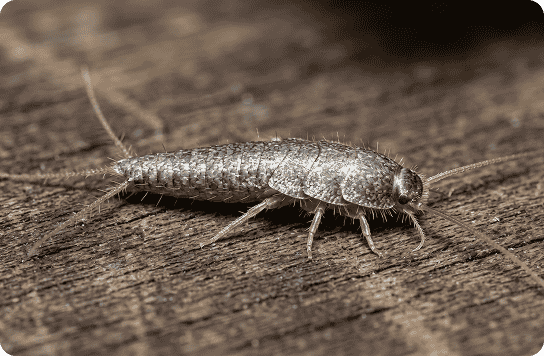
How do bed bugs look compared with other pests?
Accurate identification matters because bed bugs are often mistaken for other pests and skin reactions. Grown bed bugs are tiny, flattened, and brownish red. They have rounded bodies and are generally about the size of an apple seed, though they swell after feeding. They do not jump like fleas and do not fly.
Bed bug eggs are minuscule, light-colored, and hard to see without a close look. They are often stuck in seams or crevices near feeding areas. Young bed bugs, or nymphs, are less developed and paler in colour, which makes them even harder to spot. If you see a mix of eggs, nymphs, and adults, that is strong proof of an active problem rather than a one-off visitor.
In comparison, bites from fleas usually cluster around ankles and lower legs, and fleas often come from pets or carpeted areas rather than the bed itself. Carpet beetle insects can also be mistaken for bed bugs because their larvae may trigger skin irritation, but carpet beetles do not feed on blood. They are typically more egg-shaped or rounded in appearance, and their activity signs are different from bed bug spotting, shells, and blood marks.
When in doubt, take clear photos and continue monitoring the https://brampton-onvf610.inkharbory.com/posts/lasalle-on-vs-sarnia-on-travel-comparison-and-things-to-do room for more clues. The combination of live insects, bites, stains, eggs, and shed skins is much more convincing than any single symptom on its own.
What bedroom conditions in Windsor can leave bed bugs tougher to notice?
Various Windsor housing conditions can slow detection. One of the biggest is apartment buildings, where bugs may travel between suites through wall voids, pipes, baseboards, and shared furniture. In student housing, frequent tenant turnover, second-hand furnishings, and crowded sleeping spaces can also make bed bugs harder to spot early.
Multi-unit housing brings another challenge because the source of an issue is not always inside your own room. A nearby unit may have the initial issue, while your bedroom is only seeing early warning signs. In that situation, bugs may travel after treatment disturbances, construction, or shifting furniture between units.
Clutter is a primary reason bed bugs stay hidden. Garments on the floor, cartons under the bed, piled storage bins, and piles of sheets create more places for insects to hide. In dense neighbourhoods with older buildings, bed bugs can also move through gaps in plaster, gaps around baseboards, and unfinished wall spaces. Shared or hand-me-down furniture can add exposure, especially when it comes from unknown sources.
Windsor residents can experience local exposure through travel and visitors. Visits across the Windsor-Detroit crossings, regional transit, hotels, and visits from family can introduce bugs home in travel luggage or clothing. A traveler may not notice they brought back a hitchhiker until the bugs settle into a bedroom. That is why routine checks matter after any trip or guest stay.
What ought you to do if you think you discovered bed bugs?
Act quickly, but stay calm. Start with a thorough check of the bed and surrounding area. Use a flashlight, check seams and joints, and look for live insects, eggs, shed skins, stains, and droppings. Take photos of anything suspicious. If you live in a rental unit, keep a simple record of when you noticed the signs and where they were found.
Next, begin cleaning with a vacuum around the bed, baseboards, and nearby furniture. Vacuum slowly along seams, edges, and cracks where bugs may hide. Dispose of the vacuum contents immediately in a sealed bag or according to your vacuum type. Vacuuming can reduce the number of insects and remove some debris, but it is not a complete solution on its own.
Then start laundering bedding, sheets, pillow covers, and sleepwear on the hottest safe setting. Drying on high heat is often especially helpful because heat can kill bugs and eggs in clothing and fabric items. If possible, place clean items in sealed bags so they stay protected after the wash. Remember to clean any clothing that was on the floor or stored near the bed.
If the evidence is building, contact pest control Windsor sooner rather than later. Professional help is especially useful if you are not sure whether the signs are from bed bugs or another issue. Early action gives you a better chance of stopping spread into adjacent rooms or units.
At what point is it time to call an expert in Windsor?
Contact a professional when you suspect an active infestation, when you keep finding new bites or further signs after cleaning, or when the source seems to be moving beyond one room. If you live in a building with common walls, hallways, or stacked suites, a small problem can become a larger one fast. This is especially true in dense rental areas and older buildings where bugs can move through hidden gaps.
A trained team can carry out a more detailed monitoring assessment and verify whether the insects are bed bugs or a different issue. They can check for eggs, nymphs, adults, and hidden harborages that are easy to overlook. In many instances, a professional will recommend a treatment plan that may involve heat treatment, targeted applications, and subsequent inspections.
Hiring a licensed pest professional is crucial because proper identification and treatment strategy are important. Bedbug infestations are resilient, and incomplete treatment often fails to eliminate them all. A licensed professional can also recommend prep steps so treatment is more effective and the chance of a return infestation is minimized.
If you are a tenant in Windsor, communication is important too. Under Ontario rental context, note the issue, notify your landlord or property manager promptly, and keep copies of messages and photos. If bed bugs are present in an adjacent suite or shared space, the response may need to involve the property management team so the problem is addressed across the affected area.
How can you prevent bed bugs from coming back?
Once the issue is under control, staying proactive becomes the priority. A good first step is a well-made mattress encasement. This locks in any remaining bugs inside and takes away hiding spots from the mattress surface. It also makes future checks simpler because you can spot new stains or insects more quickly.
Be careful with second-hand furniture. Settees, chairs, dressers, and bed frames can all transport bugs if they came from an unknown source. Before bringing used items home, inspect connections, seams, and undersides carefully. If you must accept shared or donated furniture, keep it isolated and check it before placing it in a bedroom.
Pay close attention to travel luggage after trips. When you return home, unpack in one area, inspect bags, and wash travel clothing promptly. Bed bugs often arrive as a hidden passenger in bags, coat hems, or folded items. A traveler who stays in hotels, short-term rentals, or family homes should always check luggage before bringing it into sleeping areas.
Make routine inspections part of your normal home care. Look at mattress seams, the box spring, bed frame, and headboard every few weeks. In Windsor’s apartments and multi-unit buildings, quick checks are especially useful because a neighbour’s problem can become your problem. Monitoring helps you catch evidence before a full infestation develops.
Other useful prevention habits include reducing clutter, sealing cracks around baseboards if your landlord approves, and keeping laundry off the floor. The goal is to make it easier to detect and control any new activity early.
FAQ about bed bugs in Windsor bedrooms
What are the most common bed bug signs in a Windsor bedroom?
The most common bed bug signs are bed bug bites, tiny blood stains on sheets, dark fecal spots, shed skins, and live adult bed bugs or nymphs hiding near the bed. If you see more than one sign, especially around mattress seams, the box spring, or the headboard, you should treat it as strong evidence and inspect further.
Can bed bug bites look look different from mosquito bites or flea bites?
Yes, they can. Bed bug bites often present in groups or streaks on exposed skin and may cause itchy welts after nighttime sleeping. Flea bites more often impact the ankles or lower legs, while mosquito bites can appear anywhere and usually happen after open-air exposure. Bite patterns vary by person, so physical evidence in the bedroom is the best way to identify bed bugs.
How long can bed bugs live in a bedroom without being noticed?
These pests can go unnoticed for a considerable time because they conceal themselves well in crevices, behind furnishings, and in hidden wall spaces. In a crowded space or one with limited inspection, they may remain unseen until signs become clear. That is why consistent checks and monitoring are very important, especially in a rented unit or multi-unit residence.
Should I call pest control Windsor right away if I see one bed bug?
If you find one bed bug, it is best to inspect immediately. A single bug could mean a new arrival, but it could also suggest a larger hidden concern. Proceed with inspection, photos, vacuuming, and laundering, then contact pest control Windsor if you see any additional signs or are unsure about the source. Fast action helps reduce the chance of a worsening infestation.
What should Windsor renters do if bed bugs are found in an apartment?
Windsor renters need to document the indicators, notify the landlord and/or property manager quickly, and keep records of all communication. Since Ontario tenants have tenant rights, reporting the issue right away helps ensure the problem is addressed properly. In apartment buildings and other shared housing, treatment may need to cover nearby units as well, since bed bugs can spread between suites.
Should you wish, I can additionally turn this into a more lead-focused local service page for pest control Windsor or adapt it for a certain Windsor neighbourhood, such as Walkerville, downtown Windsor, or Riverside.
Mosquito Man Windsor
2485 Front Rd, LaSalle, ON N9J 2C5, Canada
+1 226-526-4711
https://maps.app.goo.gl/JwhSC65zfbLWNH6v7
https://mosquitoman.ca/pest-control/windsor/
42.2161228, -83.1003005